India’s wind and solar capacity keeps growing, and so does the maintenance work behind it. Turbines and solar plants run for decades in heat, dust, wind and salt. Small problems such as a loose bolt, a tilted structure or thinning steel grow into costly failures. This guide maps common wind and solar maintenance checks to the instruments that perform them.
Why does precision measurement matter in renewable energy maintenance?
Precision measurement matters in renewable energy maintenance because output, safety and asset life depend on small physical details. Correct bolt torque, structure alignment, coating protection, steel thickness and irradiance data all affect how a plant performs. Measured, recorded checks let maintenance teams find problems early and prove work was done to specification.
Most wind and solar assets are designed for long service lives. Reaching that life depends on routine, measured inspection rather than visual checks alone.
Which instruments are used in wind turbine maintenance?
| Maintenance task | What is checked | Instruments used |
|---|---|---|
| Fastener checks | Torque on bolted joints within hand-tool range | Torque wrenches |
| Structure and base levelling | Level and inclination of bases, frames and tower sections | Precision spirit levels, electronic levels, clinometers |
| Corrosion protection | Paint and galvanising thickness on steel | Coating thickness gauges |
| Wall loss | Remaining steel thickness on towers and structures | Ultrasonic thickness gauges |
| Rotating equipment | Shaft, fan and motor speeds | Tachometers |
| Hot spots | Bearings, motors and electrical connections | Infrared thermometers |
| Site safety | Wind speed before lifting or climbing work | Handheld anemometers |
Torque control on bolted joints
Bolted joints hold towers, nacelle components and electrical cabinets together. Each joint has a specified torque or tension. Large structural bolts use dedicated hydraulic tools. Smaller fasteners and routine checks are done with calibrated torque wrenches. Recording each torque value builds the evidence trail that maintenance audits expect.
Level and inclination checks
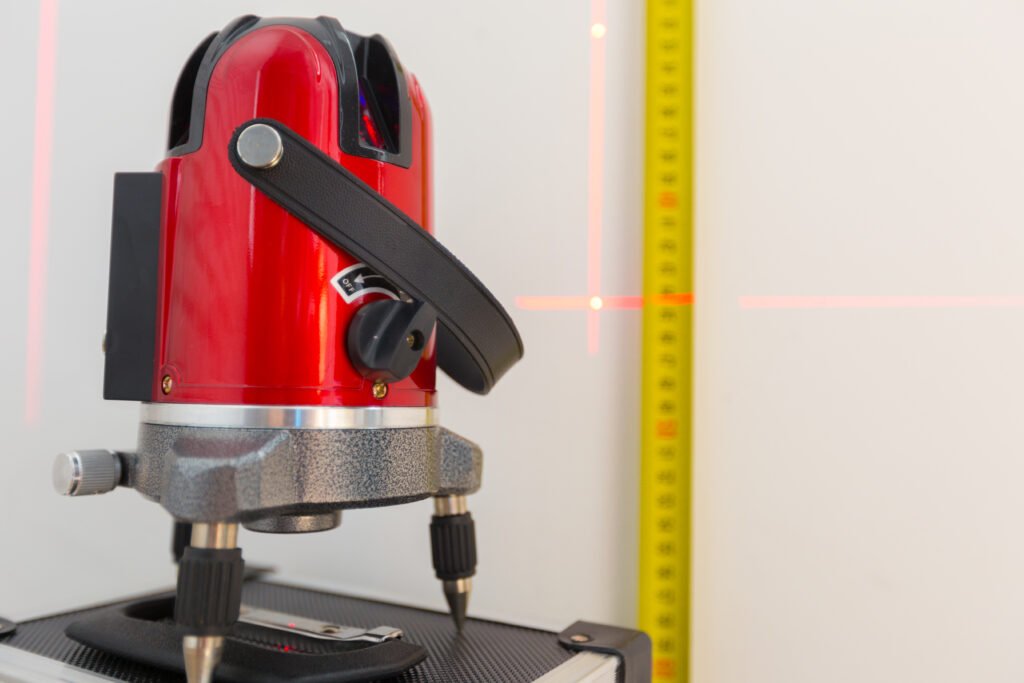
Foundations, base frames and equipment mounts must sit level and at their design angle. Precision spirit levels give quick checks. Electronic levels and clinometers give readings that can be recorded and compared over time.
Corrosion and wall loss
Coating thickness gauges and ultrasonic thickness gauges protect steel structures in two ways. Coating gauges confirm paint and galvanising meet the specified thickness before corrosion starts. Ultrasonic gauges measure the remaining steel wall from one side, showing how much material corrosion has already removed.
Coastal and offshore sites face the highest corrosion rates, so these checks matter most there. For how the two thickness methods differ, read ultrasonic vs dial thickness gauge.
Which instruments are used in solar plant maintenance?
| Maintenance task | What is checked | Instruments used |
|---|---|---|
| Performance checks | Solar irradiance at the module plane | Solar power meters |
| Structure tilt | Mounting angle of module tables and trackers | Digital levels and protractors, clinometers |
| Fastener checks | Torque on module clamps and structure bolts | Torque wrenches |
| Galvanising | Zinc coating thickness on mounting structures | Coating thickness gauges |
| Hot spots | Junction boxes, connectors and inverters | Infrared thermometers |
| Battery storage | Internal resistance of battery cells | Battery impedance testers |
Irradiance and performance
A solar power meter measures the sunlight reaching the module surface in watts per square metre. Comparing irradiance with the plant’s actual output shows whether strings and inverters are performing as expected. Readings taken at the module plane give the most useful comparison.
Tilt angle of mounting structures
Module tables are installed at a design tilt for the site. Settlement, wind load and loose fasteners can shift that angle over time. A digital protractor or clinometer checks the tilt quickly across rows.
Galvanising thickness on structures
Most mounting structures rely on galvanising for corrosion protection. A coating thickness gauge confirms the zinc layer meets the specified thickness at delivery and during periodic checks.
Battery storage health
Battery impedance testers measure the internal resistance of battery cells. A rising value over time can flag ageing or weak cells before they affect backup capacity.
How should renewable energy teams manage instrument calibration?
- Keep a register of every instrument used for commissioning and maintenance records.
- Calibrate torque wrenches at defined intervals, since their readings drift with use.
- Check ultrasonic gauges on a reference block of the same material before each survey.
- Check coating thickness gauges against foils or standards before each use.
- Use accredited calibration so records stand up to owner, lender and insurer audits.
BTSA supports calibration through NABL accredited calibration services at SV Precision Instruments. Our guide on how to read a calibration certificate covers the checks to run on every certificate.
How do you build a maintenance instrument kit?
- List the checks in your maintenance plan for each asset type.
- Group them by task: torque, level, coating, thickness, speed, temperature, irradiance.
- Match instrument range and resolution to the specified limits.
- Prefer instruments with data logging where records are required.
- Choose rugged, field-ready models for outdoor and elevated work.
- Plan calibration from the start, including spare instruments during calibration.
Where can renewable energy teams source these instruments in India?
BTSA has supplied precision measuring instruments since 1942, with presence in Mumbai, Chennai, Bangalore, Hyderabad and Coimbatore. See how BTSA supports the sector on the renewable energy industry page. Browse Wyler precision levels and inclination instruments, Tenmars solar power meters, JAFUJI torque wrenches, the ultrasonic thickness gauge and the coating thickness gauge. For choosing torque tools, read torque wrench vs torque screwdriver.
Talk to BTSA about instruments for your wind or solar maintenance team
Frequently asked questions
What instruments are used in wind turbine maintenance?
Torque wrenches, precision levels, clinometers, coating and ultrasonic thickness gauges, tachometers, infrared thermometers and anemometers.
What instruments are used in solar plant maintenance?
Solar power meters, digital levels, torque wrenches, coating thickness gauges, infrared thermometers and battery impedance testers.
What does a solar power meter measure?
It measures solar irradiance in watts per square metre at the module surface.
Why is coating thickness checked on solar and wind structures?
Paint and galvanising protect steel from corrosion, so they must meet the specified thickness.
How is corrosion measured on steel towers and structures?
An ultrasonic thickness gauge measures the remaining steel wall from one side.
How often should torque wrenches be calibrated?
At defined intervals set by usage and your maintenance system, since readings drift with use.